Vienna is a city that families approach with some trepidation and leave unexpectedly won over: Schonbrunn Palace has enough rooms, gardens, and history to carry a full morning, and the city's Heuriger wine taverns in Grinzing give evenings a local character that feels nothing like a tourist restaurant. Figlmuller's famous Wiener Schnitzel is the kind of meal where the portion size alone becomes part of the story. The Vienna Woods day trip, just beyond the city limits, trades the Ringstrasse grandeur for hiking trails and quiet vineyard villages. FamiVentura covers Vienna with guides to its imperial palaces, excellent food culture, and day trips through the Danube Valley and Vienna Woods.
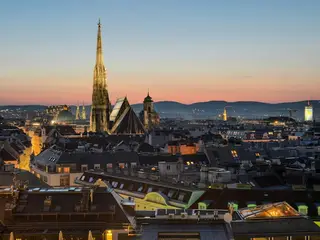
Vienna's Innere Stadt is the historic heart where centuries of European history cluster within walking distance. Stephansdom cathedral dominates the main square with soaring Gothic architecture that overwhelms photography attempts to capture its actual presence. Surrounding palaces, cathedrals, museums, and upscale shopping concentrate within a manageable walking radius for families. The neighborhood pulses with international tourists, street performers, busking musicians, and constant activity that reflects the district's role as the center of European consciousness. Narrow medieval lanes wind between grand baroque facades creating constant visual contrast that rewards walking exploration. The Hofburg Palace complex extends throughout the district with multiple wings, courtyards, and gardens that could occupy weeks of exploration. St. Charles's Church anchors another plaza with its distinctive baroque architecture. The opera house provides cultural options for families planning evening activities. U-Bahn access connects to other districts without requiring lengthy transit. Walking remains primary navigation mode with clear street signage and logical layout. This is Vienna's most expensive district for accommodation and dining, with prices reflecting genuine demand from long-term residents and visitors. However, convenience of central location eliminates transit costs and time. Families wanting walkable access to major attractions without requiring subway navigation find central location invaluable. Early morning and late evening visits reveal quieter character before peak tourist flows. Medieval cobblestones require appropriate footwear but add authentic atmosphere.
Tips
Book accommodation early; this district fills during peak season
Arrive at major attractions before 10:00 AM to avoid worst crowds
Walking shoes are essential; cobblestone streets are numerous
Apartments (short-term rentals) often offer better value than hotels
HistoricCentralCulturalWell-known
Neubau (7th District - Museums and Village Culture)
Neubau is a transitional neighborhood that blends major cultural institutions with village-like residential character, offering the rare combination of serious art access and neighborhood authenticity. MuseumsQuartier anchors the district as Europe's largest cultural complex, providing Kunsthistorisches Museum and contemporary museums within walking steps of each other. The museum courtyard functions as genuine community gathering space with cafes, seating, and mixed-age visitors. Residential blocks flanking the museums feature independent shops, cafes, and small galleries reflecting neighborhood character rather than tourist infrastructure. Spittelberg village area preserves intact 18th-century architecture with cobblestone streets and small squares that feel authentically Vienna without theme-park construction. Weekend art markets in Spittelberg bring local artists and craftspeople, creating cultural access without museum entry fees. Welcoming to kids restaurants throughout the neighborhood understand children as part of community rather than obstacles. The neighborhood attracts young families, artists, and culture-seeking visitors precisely because it offers genuine integration rather than segregation. U-Bahn lines 2 and 3 provide rapid transit to other districts. Walking remains primary neighborhood mode with easy navigation. Quieter than city center while maintaining cultural depth means you access top-tier institutions without constant tourist flows. Accommodation options span budget to mid-range, making it accessible for families. This district offers best value for culture-focused families in Vienna.
Tips
This district offers best value for culture-focused families
Spittelberg is at its busiest Saturday-Sunday (also most interesting)
Naschmarkt is 10-minute walk south; combine with Neubau visit
+3 more neighbourhoods
The full Vienna guide includes 50+ picks, 2-day itineraries, and personalized PDFs to share with family and friends.
One-time purchase. Yours forever.
FamiVentura
Vienna
Family travel guide for every age
Prepared for
Your family
famiventura.com
Leopoldstadt (2nd District - Modern Vienna and Danube)
Leopoldstadt has transformed from medieval Jewish quarter into modern Vienna's recreational and cultural hub, reflecting the city's ongoing evolution. The Danube Canal runs through the district, hosting playgrounds, cycling paths, cafes, and walking routes that provide constant water views and access. Prater Park anchors the southern section with the well-known Giant Ferris Wheel visible from throughout Vienna, and amusement rides providing family entertainment beyond cultural tourism. Donauinsel island is directly accessible, offering massive green space, cycling routes, and outdoor recreation that removes urban pressure. The neighborhood offers more space for children to roam than densely packed inner districts while maintaining cultural attractions and services. U-Bahn lines 1 and 2 provide rapid connections to other districts. Walking and cycling are primary neighborhood modes, with extensive bike infrastructure supporting family movement. Playgrounds throughout the district serve local families rather than tourists, creating authentic community recreation. Restaurants and cafes reflect actual neighborhood dining rather than tourist-oriented establishments. Accommodation remains affordable compared to inner districts, making extended family stays financially viable. The neighborhood attracts families planning longer stays rather than quick visits because recreation options reward exploration. Fewer tourists and lower prices reflect the neighborhood's genuine residential focus. This is best family value district in Vienna for outdoor recreation, cycling, and playground access.
Many restaurants offer children's menus and high chairs
CulturalArtsyWelcoming to kidsWalkable
Tips
This is the best family value district in Vienna
Rent bikes to access full Danube Canal length
Prater Grill and casual restaurants offer good family dining