What to pack in your kids' hand luggage: the version that survives a real trip
The average kids' carry-on packing list is either too long or full of things that don't survive past the first hour. Here's what actually works, by age.
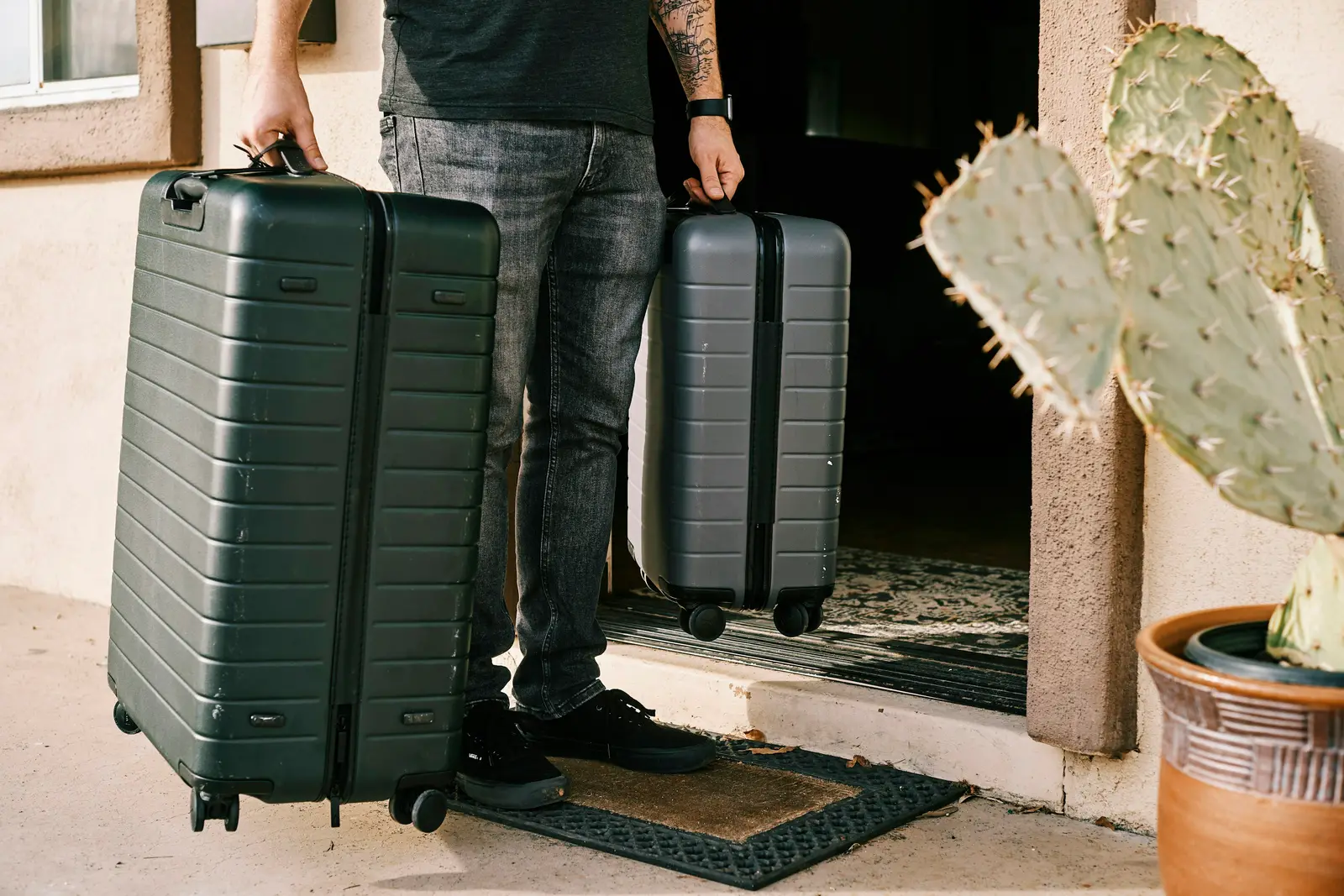
The internet's kids' carry-on packing lists are a form of optimism. They include activity books, drawing kits, playdough, sensory bins, and enough snacks for a small school. The reality of traveling with children is that you'll use about 40% of what you pack and wish you'd brought different things for the other 60%.
Here's the version that's been edited down to what actually works, organized by age.
The structure first: two bags, not one
Before the contents, the container.
Don't put everything in a single kids' carry-on. Split it into two bags:
The child's bag: a small backpack they carry themselves from age 3 onwards. This bag has their entertainment items, their snack portion, and their comfort item. Ownership matters: kids who carry their own bag engage with it differently. They know what's in it, they retrieve things themselves, they feel some agency. Backpacks with a chest clip stop the bag sliding off small shoulders.
Good compact kids' backpacks on Amazon
The parent's control bag: the bag under the seat in front of you, not in the overhead. This has everything you actually need access to: spare clothes, medication, wipes, documents, the entertainment reserves you haven't deployed yet. If it's overhead, you can't get to it when you need it.
Under 2 (lap infants)
At this age, the child doesn't have a bag. Everything goes into the parent's carry-on.
The essentials layer (always in the parent's control bag):
- Diapers for double the flight time. If you're flying 8 hours, bring 16 hours of diapers. Delays happen.
- Wipes: two full packs. One for the child, one for every surface you'll touch
- 2 spare outfits for the child, 1 top change for each parent
- Reusable snack bags for food, dirty clothes, used diapers before you reach the bin
- Child paracetamol/acetaminophen (liquid), child ibuprofen, decongestant drops, in original packaging with a copy of the prescription if relevant
- A refillable water bottle for the parent: fill after security, saves asking the trolley every time
The entertainment layer:
Under 12 months: not really applicable. They don't engage with entertainment the way older toddlers do. Your job is feeding, sleeping, and contact.
12-24 months: the entertainment is novelty, not depth. Bring 10-15 small items in a Ziploc: a short board book, a finger puppet, a small soft toy, a few stickers, a silicone teether, a crinkle cloth, a small rattle. Rotate every 15-20 minutes. Don't bring one big thing.
The key item at this age: a silicone suction placemat that sticks to the tray table. Stops food and small items falling on the floor constantly.
2-4 years
This is the hardest age for flight entertainment because toddlers can't sustain attention for long and can't yet manage activities independently. The goal is 20-minute novelty cycles, not deep engagement.
The entertainment bag (child's, if they're old enough to carry it):
- 20+ small wrapped items. Not big toys. Wrap each one individually in tissue paper or a paper bag. Unwrapping is half the entertainment. Include mini sticker books, washi tape on a card, a small Magna-Doodle, a few small figurines, a finger puppet set, a mini coloring book with a 6-pack of crayons, a small notebook, a pack of Post-its, a magnifying glass lens, a short board game like Spot It Jr. Each one buys you 15-20 minutes.
-
An iPad or tablet with offline downloads. New content only, things they haven't seen yet. Familiar content loses its pull within minutes; new shows and apps hold attention longer. Toddler headphones that actually fit are critical here. Adult headphones fall off. Toddler headphones on Amazon.
-
1 comfort item. Not three. The single stuffed animal or blanket they can't sleep without. If it's lost at altitude, nothing compensates.
The parent's control bag (additions for this age):
- A sippy cup or straw cup: swallowing during descent helps ears equalise. Have it ready before descent starts, not after the crying starts.
- Snacks in quantity: the rule is pack for double the flight time. Variety matters more than amount. A child who's bored of one snack will eat a different one.
5-10 years
At this age the child can manage their own small backpack and make decisions about what to bring. Involve them in packing it: they're more invested in things they chose.
What goes in the child's backpack:
- Their own headphones (over-ear for noise cancellation on long flights). Kids noise-cancelling headphones on Amazon.
- A tablet or Nintendo Switch loaded with offline content: games they've been told they can only play on the flight. Preserving the novelty matters.
- 2-3 activity items they actually chose: a small sketchbook, a puzzle book, an activity they asked for specifically. Don't pack things you think they should want.
- Their comfort item if they still have one (at 8-10 this is usually a book or a small game, not a stuffed animal)
- 1 pair of cozy socks. Kids taking their shoes off on a flight is fine; bare feet on an airplane floor is not.
The parent's control bag (simplifies significantly at this age):
- 1 spare outfit for the child (still worth it: motion sickness and turbulence exist)
- Wipes (fewer than younger ages, still worth having)
- Basic medical kit
- Snacks the child won't access themselves so you can deploy them strategically
Over 10
Pack their own bag. Give them a budget: "one entertainment device, two activities, one comfort item, snacks for yourself." Let them be wrong once and they'll pack better next time.
Your job at this age is your own carry-on.
The things that sound good but don't work
Playdough: Allowed through security in most places. Banned on some airlines. Gets on everything. The entertainment-to-mess ratio is poor.
Craft kits with loose pieces: Googly eyes, pom-poms, and glitter scatter across three rows of seats the moment turbulence hits. Anything with loose small pieces belongs at home.
New books you haven't read them first: If you buy a book to surprise them on the flight and they hate it, you've lost that hour. Stick to things you know they love.
Games that require table space: Anything that needs a flat surface and both hands free is theoretical in economy class. Card games work. Board games with pieces mostly don't.
The one thing that belongs in every carry-on regardless of age
A portable charger/power bank. Airplane seat USB ports are slow, sometimes broken, and shared with two other seat occupants. A charged power bank lets you keep the tablet alive for the whole flight without depending on the aircraft. Check the airline's mAh limit before flying (most allow up to 27,000 mAh; the TSA allows it in carry-on only, not hold luggage).
The carry-on is the flight. The destination is everything else. Age-specific picks, itineraries, and what to actually do when you arrive are in the FamiVentura city guides.
More from the blog
Mallorca or Tenerife with kids: which one to pick
Two Spanish islands, one family holiday. They are not interchangeable. Here's how to pick the right one based on your kids' ages, when you're going, and what you actually want from the week.
The travel stroller question: which one, and when you actually need one
The stroller you use at home is probably the wrong stroller for travel. Here's how to decide whether to bring one at all, and which one to buy if the answer is yes.
Vienna day trips with kids: the 8 best ones and when to do each
Vienna is compact enough to be a day-trip base for the whole of eastern Austria and beyond. Here's which trips work at which ages, and which ones to skip.
Disneyland Paris vs Disney World with kids: what actually matters
Disneyland Paris and Disney World are not the same trip. Here's the comparison that matters for families, broken down by age, time, and what you're actually trying to get from the holiday.
Free membership
Join the FamiVentura Community



- All our travel blogs, completely free
- Copenhagen and Osaka in full, including PDFs
- Handpicked free content for every destination
- The latest 10 Travellers' Picks, updated regularly
- Save favourite destinations and picks across all your trips
- Comments and community forums
No credit card. Just your email.
Comments
Sign in to leave a comment. Free for all members.
No comments yet. Be the first to share your thoughts.